

 ENG
ENG
 RU (СНГ)
Cheap SMM Panel: Deep Audit of Risks and Pricing Architecture (Protocol 2026)
In the digital infrastructure segment, there is a rigid, mathematically proven correlation: Transaction Cost (Cost Per Request) defines the quality of the execution route. Users searching for a "cheap and safe" panel often fail to realize that these two definitions are technically conflicting in 95% of cases.
The automation market is oversaturated with price-dumping offers. However, behind every cost reduction lies the exclusion of a critical link in the security chain. In this article, we conduct a full technical audit of process economics: exactly what budget providers save on, how the cascading reseller system is structured, and why low prices inevitably lead to the loss of digital assets (accounts).
TL;DR: Cheap SMM panels are not "affordable" — they are unmanaged infrastructure. In 95% of cases, low pricing means no clean proxies, no SLA, and no execution risk control, which directly leads to account bans and large-scale metric losses.
What is Usually Understood by "Cheap SMM Panel" (Low-Tier Infrastructure)
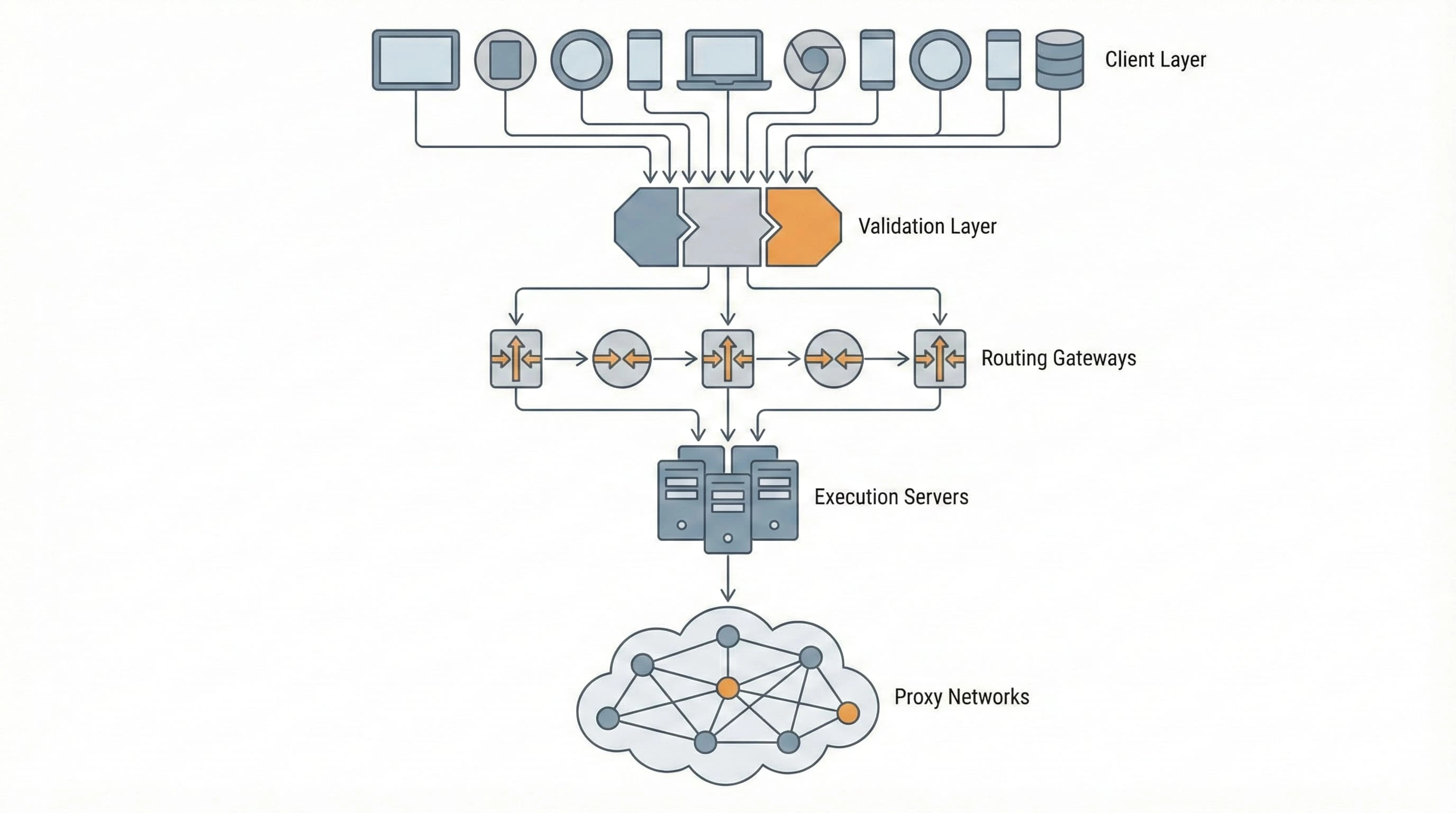
When the market operates with the concept of "cheapness," it refers not to business process optimization, but to the absence of quality control, filtering, and monitoring. This is a service category (Low-Tier) where priority is given to Gross Volume at the expense of Delivery Quality and endpoint security.
Technical Markers of the Low-Cost Segment:
- Anomalously Low Price: A cost below the market cost of mobile proxies (e.g., $0.01 per 1,000 actions). This is a mathematical indicator of using compromised, public, or server-grade IP addresses found on platform "Blacklists."
- Aggressive Speed Marketing: Promises of "Instant Start" indicate the absence of pre-moderation queues, link security checks, and load balancing. The request is transmitted "directly," creating a DDoS-pattern risk.
- Lack of Database Specification: The service is simply labeled "Likes" or "Followers" without specifying origin (Incentivized, Bots, Real), geolocation, or acquisition method.
- "Non-Drop" Claims without Technical Justification: Use of marketing labels without explaining the Refill System mechanics and warranty period.
- Absence of API Documentation: Or the use of obsolete API v1 standards that do not support Error Code transmission.
Traffic Economics: Why Price in SMM is Logistics, Not Marketing
To fully understand this logic, it is important to examine how such services are architected at the infrastructure level. We covered this in detail in a separate guide — SMM panel: complete breakdown of architecture, purpose, and operating principles, explaining how execution routing works and why logistics define safety.
The Rate per 1k is not an arbitrary figure set by the seller. It is the sum of Operational Expenditures (OPEX) for maintaining the execution infrastructure. To understand the risks, one must dissect the cost structure of a safe request.
Cost Structure of a Secure Transaction:
- Clean Proxies (Residential & Mobile Proxies): For an action to be validated by an algorithm (YouTube, TikTok, Instagram), it must originate from a unique IP address belonging to a real Internet Service Provider (ISP) or mobile carrier. Leasing a pool of rotating 4G/5G proxies is the primary and most expensive expense for high-tier providers.
- Account Amortization (Account Lifespan): Creating and "warming up" a high-quality bot (with avatar, post history, cookies, search history) costs money (SMS activation, farming time, behavior emulation). Cheap panels use "disposable" empty accounts that die after the first batch of actions.
- Compute Power: A limit monitoring system that throttles execution during risks requires server resources. Cheap scripts simply "Pass-through" the request without analysis, saving on server costs.
- DevOps and Template Updates: Social networks change layouts, API endpoints, and defense algorithms weekly. Maintaining bot relevance requires constant work from a development team.
Engineering Conclusion: A low price means one or more stages of this chain are excluded. In 99% of cases, the "Clean Proxies" and "Security Monitoring" stages are excluded, as they constitute up to 80% of the cost price.
Reseller Architecture: The "Broken Telephone" Effect
It is crucial to understand that the cheap panel you find in search results is, in 90% of cases, not a direct provider. It is a 3rd, 4th, or 5th level reseller.
The Risk Chain:
- You (User) send an order to Cheap Panel A.
- Panel A (script) forwards the order via API to Panel B.
- Panel B forwards the order to Panel C.
- Panel C sends the order to the Provider (Botnet Owner).
Consequences of a Long Chain:
- Latency Accumulation: Your order may hang in "Pending" status for days until the APIs of all chain links synchronize.
- Status Loss: If the Provider cancels the order, this information may not reach you because one of the chain links "swallowed" the error.
- Impossibility of Cancellation: You press "Cancel," but the signal does not pass through 5 gateways to the executor. The process continues to damage your account.
Detection Mechanics: How Social Networks See Cheap Traffic

There are no miracles in B2B infrastructure. If a service costs significantly below market, the provider uses cost-reduction methods that leave distinct digital footprints.
A. Use of Datacenter IPs (Server Proxies)
Instead of expensive mobile IPs, cheap data center addresses (AWS, DigitalOcean, Hetzner, Leaseweb) are used. Platform defense algorithms see the Provider's ASN (Autonomous System Number) and understand: the like came not from a user's phone (ISP/Mobile ASN), but from a hosting server (Hosting ASN). Such actions are Flagged Immediately.
B. Session Reuse and Fingerprinting
A secure approach requires generating a unique "digital fingerprint" (TLS Fingerprint, Canvas Hash, WebGL Renderer) for each action. Cheap panels save CPU resources by using the same session parameters for millions of actions. This creates a massive static pattern (Pattern Recognition) by which the social network's neural network bans the entire customer chain in one strike.
C. No Buffering
Requests are sent to the social network API "as is," in a direct stream. If you ordered 10,000 likes, a cheap panel will attempt to "inject" them in 5 minutes. This triggers DDoS protection mechanisms and automatic profile suspension for exceeding Velocity Limits.
Absence of Guarantees — Main Technical Signal (No SLA)
In the traffic industry, the term "Guarantee" is often misinterpreted. It is not a promise of success, but the presence and strictness of an **SLA** (Service Level Agreement).
Cheap panels usually lack an SLA or it reduces to a disclaimer: "we are not responsible for third-party actions." In business language, this means: when platform defense algorithms update (e.g., an Instagram Core Update), your orders will burn, money will not be refunded, and claims will not be accepted.
Important Distinction:
A "Safe SMM Panel" does not guarantee that drops will never happen (this is technically impossible), but that in the event of a drop, the system will automatically detect the metric fall and trigger a Refill process at its own expense. Cheap panels sell the service "As is," shifting the volatility risk to the client.
Technical Support: Reaction Time and Competence (Support Latency & MTTR)
Support in infrastructure projects is not courtesy; it is part of the Security Loop. Situations requiring immediate intervention (order stuck, wrong link, sudden drop start) occur regularly.
Support Characteristics in the Budget Segment:
- High Latency: Response time is 24–72 hours. For algorithmic risks, this is critically long. While you wait for an answer, the account may be suspended.
- Lack of Technical Expertise: Operators are often hired first-line employees without access to server logs. They reply with templates ("Wait," "In Process," "Check Later") and cannot solve routing issues.
- Lack of Control Tools: There is no "Emergency Stop" button. You cannot halt a process that has started destroying your profile's reputation.
Lack of Business Logic and Context Analysis
Cheap panels operate on the "Blind Pipe" principle: you pour in a request — they pour out traffic. The system does not analyze the recipient context and has no "fuses."
Example of Logic Conflict:
You order 10,000 likes for a new account with 10 followers and 1 post.
Professional Panel (Infrastructure-Tier): Will cancel the order (Order Canceled) marked "High Risk" or automatically switch it to Drip-feed mode (spread over 30 days) to simulate viral growth and save the account.
Cheap Panel (Low-Tier): Will execute the order instantly. Result — Shadowban for anomalous activity (Velocity Spike) and violation of the Follower/Engagement Ratio.
Misunderstanding Delivered Services (Database Quality and Retention)
Service descriptions in the economy segment are often intentionally vague or misleading, hiding real technical parameters.
- "Real Users": In the cheap segment, these are often brute-forced, phishing, or long-abandoned accounts. Their use is ethically questionable and technically dangerous — owners can recover access, change passwords, and revert actions, leading to mass drops.
- "Views" without Retention: A critical parameter for video ranking is Retention. A view lasting 0.1 seconds is technically recorded by the counter (+1 View), but for algorithms (TikTok, YouTube), it is a signal of "Bot Traffic" or "Clickbait." Cheap views kill Average Watch Time, and the video stops being recommended to organic audiences.
- "HQ Followers": Often these are empty profiles without avatars (Ghost Accounts), created by auto-registrars yesterday. They live exactly until the platform's first Ban Wave.
Lack of Execution Transparency (Black Box Operations)
Working with a budget provider, you are buying a "black box." You are completely deprived of Observability regarding the execution process.
Statuses in the dashboard are limited to binary values: "Pending" and "Completed."
What is missing in cheap panels:
— Start Count: From what number execution began (proof of work).
— Speed Monitoring: What is the speed dynamic per hour/day.
— Source Data: Which specific server group or IP subnet is executing the order.
— Error Logs: Reason for cancellation or Partial completion. Without an error code, you won't understand if the link is banned or simply the server is overloaded.
Absence of Analytics and Metrics (Data Vacuum)
For a marketer, reseller, or SEO specialist, numbers matter, not feelings. A cheap panel does not provide the meta-data necessary for forecasting and reporting.
- Drop Rate Prediction: What percentage of unfollows is expected in 30 days? (Cheap panels don't know or hide this, as the figure is often close to 100%).
- Geo Distribution: Which countries are the accounts coming from? (Mixing geos, e.g., likes from India on US content, is a direct attack signal).
- Delivery Time Estimation: What is the real, not claimed, delivery speed?
Without this data, you are managing the process blindly, which is unacceptable for commercial projects with budgets and KPIs.
Liability for Drops and Refund Policy
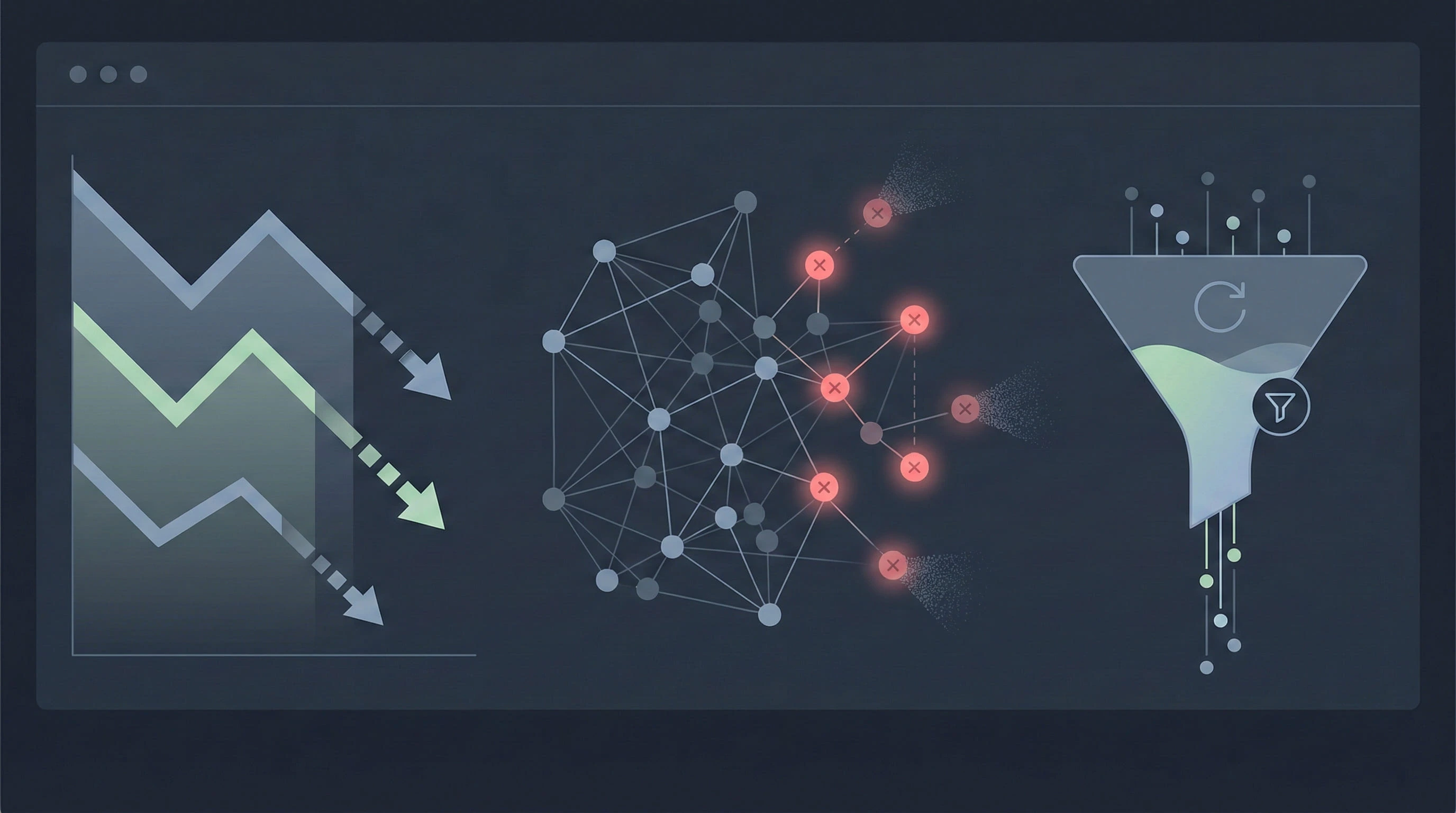
Drops are an inevitable part of the social media ecosystem work. Platforms constantly improve cleaning algorithms. The difference between panels lies in the reaction protocols to these events.
In the cheap segment, a drop is de facto considered the client's problem ("We delivered, the counter changed, the fact that the social network deleted it is not our fault"). In the infrastructure segment, it is the provider's problem. If the panel does not offer an Auto-Refill function (automatic level restoration upon drop) and a Refill Button, you are buying air that will evaporate in 48 hours.
When a Cheap SMM Panel Might Be Acceptable (Edge Cases)
There are narrow scenarios where using cheap, low-quality infrastructure is economically and technically justified. Not all tasks require expensive "clean" proxies and complex routing.
Acceptable Use (Grey Zone):
- Burner Accounts: Hypothesis testing, algorithm stress tests on profiles that were originally created to be banned and have no value.
- Vanity Metrics: Inflating counters on old posts (bottom of the feed) that no longer participate in ranking and are needed only to create visual mass ("Social Proof" for new visitors).
- Short-Term Tasks (Churn & Burn): Traffic Arbitrage (CPA), where the fact of having a number "here and now" is important for passing ad network moderation or user trust for 1 day, and the long-term life of the account is irrelevant.
Typical Promises and What They Actually Mean (Marketing Decoder)
Let's dissect the marketing dictionary of cheap services and translate it into technical language:
- "Instant Start"
Technical Translation: Absence of pre-moderation queue and load balancing. Your order will fly into the system immediately in full volume, creating a risk of spike detection (speed jump), which triggers platform defense. - "No Limits"
Technical Translation: The provider is indifferent to your account security. They will not limit speed or volume, even if it leads to a guaranteed ban. - "Lifetime Guarantee"
Technical Translation: A marketing ploy. It is technically impossible to guarantee the eternal preservation of a like on a third-party platform (YouTube, TikTok) that the provider does not control. An honest provider guarantees a recovery period (e.g., 30-60-90 days), but not eternity. - "Ban Safe"
Technical Translation: Merely means that mass bans for this specific database have not yet occurred. This does not guarantee the safety of your specific case if velocity limits are violated.
Technical Audit Checklist: How to Distinguish a Safe Panel
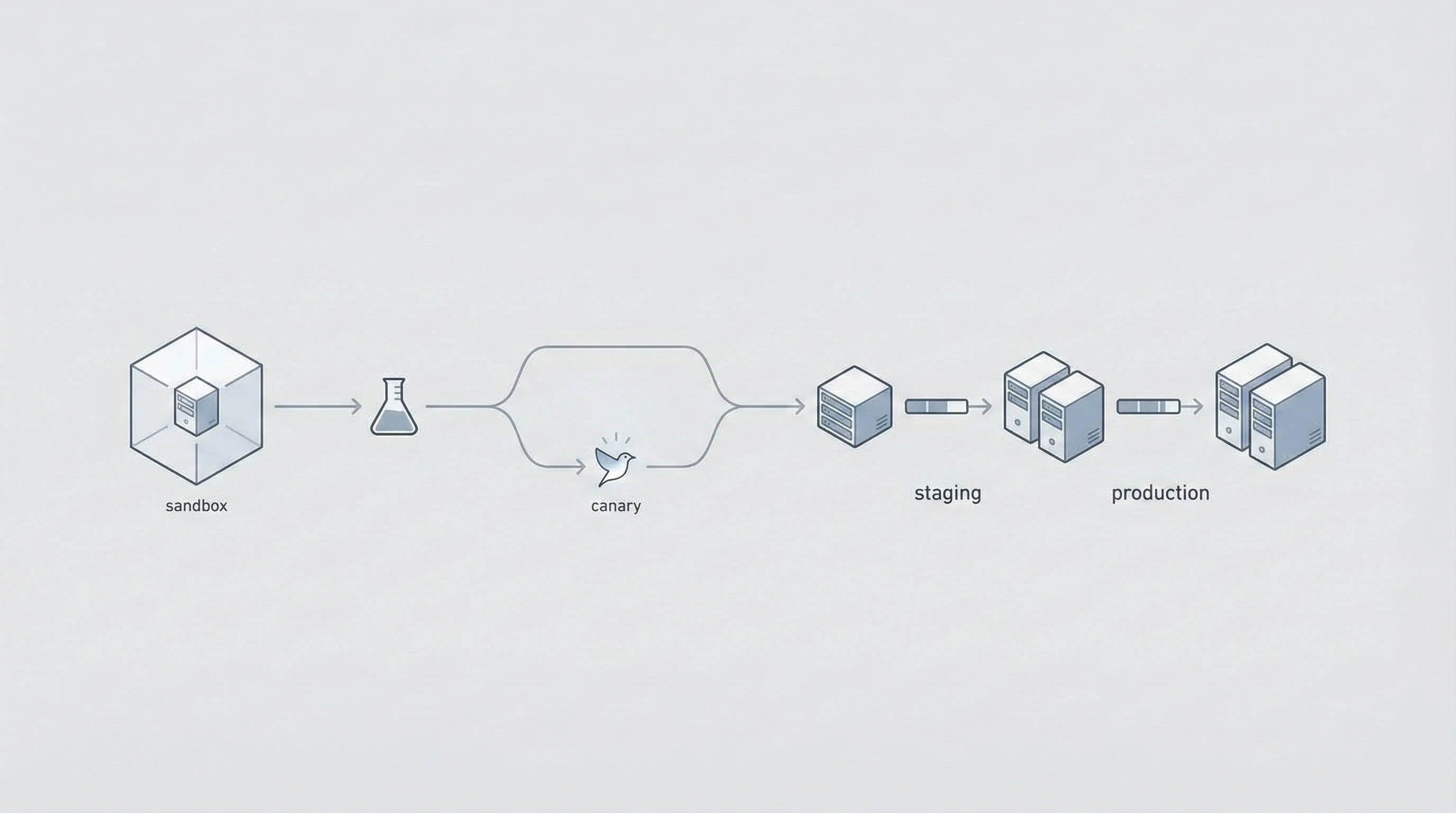
Before entrusting your account to a panel, run a quick check on the following points:
- Drip-feed Availability: Is it possible to spread the order over time? (Mandatory).
- Refill Transparency: Is a specific refill period specified (30 days, 60 days)?
- Cancel Button Availability: Can you cancel the order if it gets stuck?
- API Support: Is there API documentation and are error codes transmitted?
- Test Order: Does an order for a minimum quantity (10-50 units) go through with normal speed?
Mini-FAQ: Security and Operations Questions
What is the difference between a Main Provider and a Reseller?
A Main Provider owns the infrastructure (servers, botnet, software). A Reseller is an intermediary reselling provider services via their site with a markup. Cheap panels are often bottom-tier resellers, which increases latency and risks. It is safer to work with panels holding direct contracts.

Why do Free SMM Panels exist?
In the digital economy, if you are not paying for the product, you are the product. "Free" panels often engage in Data Harvesting: stealing access tokens, cookies, or using your browser for mining/attacks. Using free services carries critical data security risks.
What is "Refill" and why is it important?
Refill is the process of restoring dropped followers or likes. It is insurance against social network algorithm actions. The absence of a Refill button means the service is one-time use and implies no long-term result support.
Can cheap panels be used for Watchtime generation?
Categorically not recommended. Retention and IP uniqueness are critical for Watchtime. Cheap traffic has low retention (view drop after 30 seconds) and dirty IPs, which will lead not to monetization, but to channel penalization or monetization disablement (AdSense Ban).
How to tell if a panel uses an SMM Panel Script?
Almost all panels use standard scripts (PerfectPanel, SmartPanel, etc.). This is the industry standard. What matters is not the script, but which API gateways it is connected to and how order routing logic is configured.
Are services marked "Instant" safe?
For old, trusted accounts — relatively safe in small volumes. For new accounts — dangerous. "Instant" implies the absence of a natural pause. Organic growth is rarely instant. It is better to choose services marked "Natural Speed" or configure Drip-feed.
Conclusion
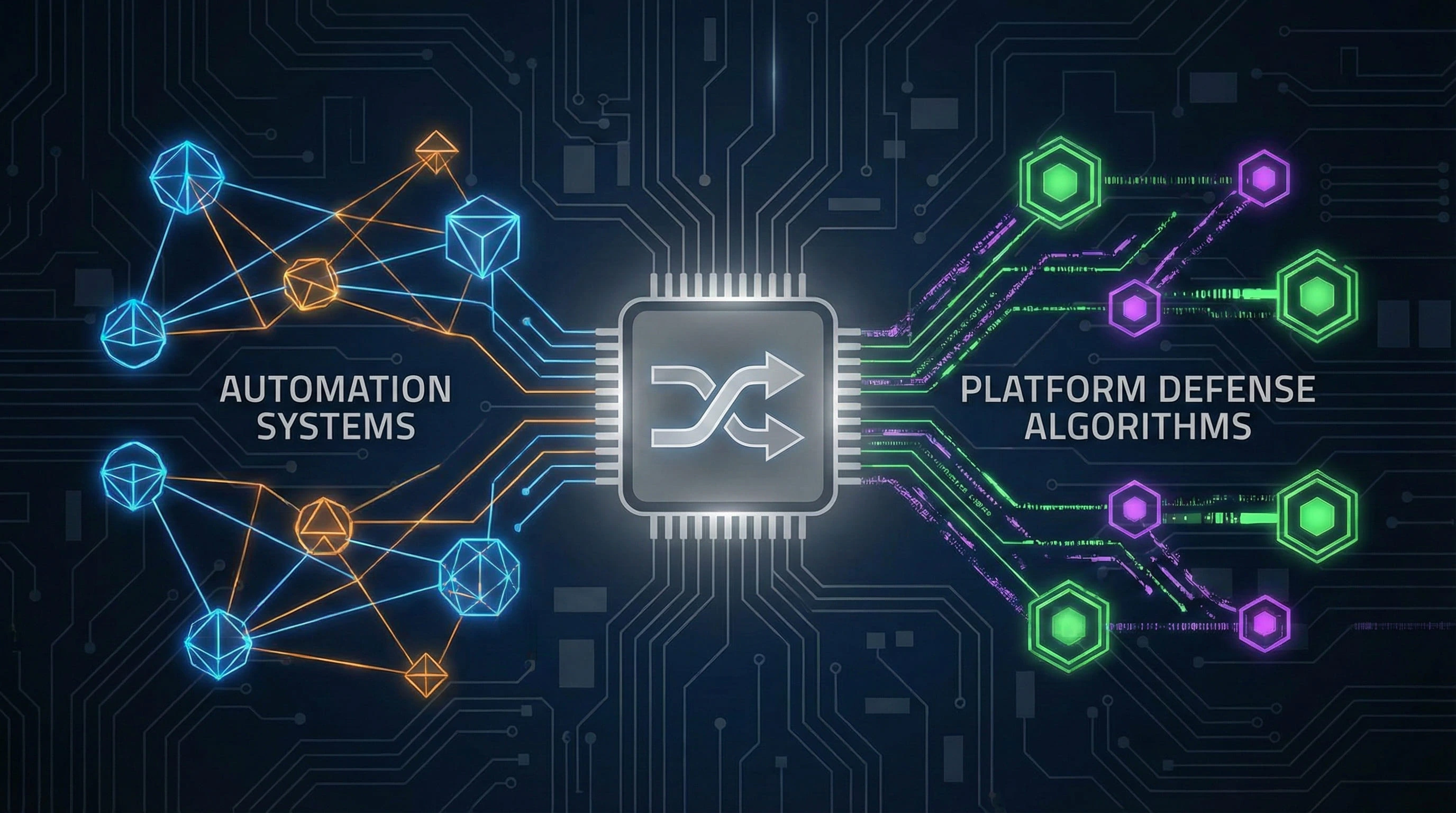
A cheap panel does not always mean "bad" in absolute terms, but it always means "high-risk" and "unmanaged."
Savings on proxies, rotation, support, monitoring, and development turn the service into a toxic asset. The absence of guarantees, technical support, transparent logs, and understanding of limits shifts all responsibility for account safety to the end user.
In professional SMM and reputation management, you pay not for numbers painted on a counter, but for:
- Control of the process (speed, pause, cancel, planning).
- Predictability of the result (Refill, SLA, database stability).
- Security of the infrastructure (Clean Proxy, Unique Fingerprints, Anti-Detection).
- Low price in SMM is not a discount. It is a structural indicator of excluded security layers: clean proxies, monitoring, buffering, and SLA.
- Cheap SMM panels operate as unmanaged infrastructure. In 90–95% of cases they rely on datacenter IPs, session reuse, and blind execution routing.
- Reseller chains multiply risk. Each additional API hop increases latency, status loss, and makes cancellation or emergency stop technically impossible.
- Guarantees without SLA are meaningless. The only real protection is automatic drop detection and refill mechanisms defined by contract.
- Traffic quality is logistics, not marketing. Price directly reflects proxy origin, account lifespan, fingerprint uniqueness, and execution control.
- Cheap panels are acceptable only for disposable scenarios. Burner accounts, short-term vanity metrics, or churn-and-burn tests — never for long-term assets.
Exit Clause: This document describes technical risks and the operational model of the economy segment. It is not a financial recommendation or offer.